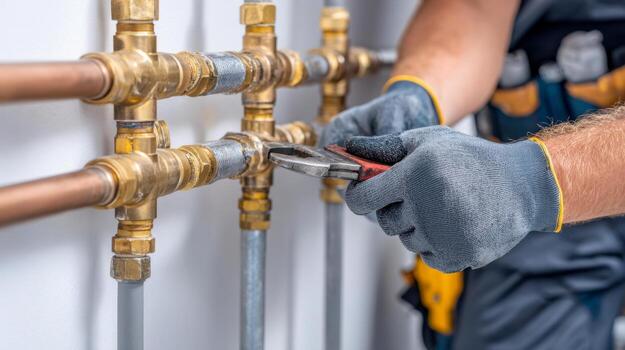
The leak
Leaks rarely start dramatic. A ceiling stain the size of a quarter. A water bill that climbs for no reason. A warm spot on the floor over a slab line. In Dallas, summer heat bakes supply lines in attics past 140 degrees while winter snaps freeze the same pipes overnight — that swing is what cracks fittings and splits solder joints.
We find the source before we open anything: pressure testing to isolate the zone, then the smallest access cut that gets us there. Copper, PEX, or CPVC — the repair matches the system, not the truck's favorite material. Then we dry the area, and we tell you what to watch: the stain's edges, the meter dial, the sound behind that wall.
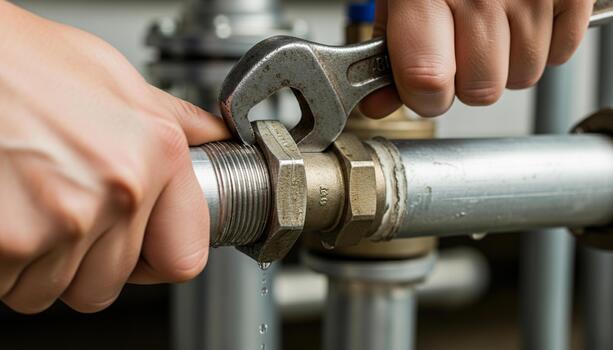
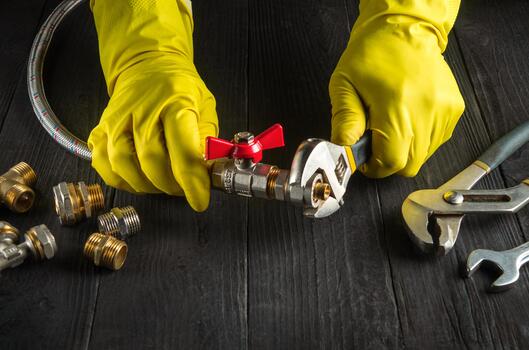
The drain
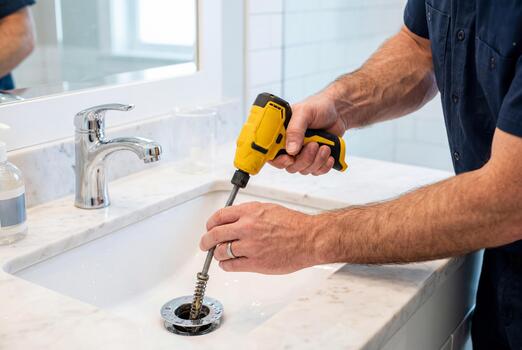
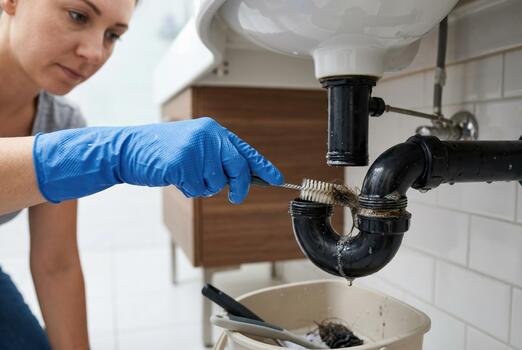
A slow tub is a nuisance. Every fixture backing up at once is a main line telling you the truth. Dallas clay soil moves with the seasons, and older cast-iron and clay-tile lines crack at the joints — roots find them within a season. We clear the line with the tool the clog deserves: hand auger for traps, drum machine for branch lines, and hydro-jetting when grease has been building for a decade.
When the camera goes in, you watch the footage with us. If it is a simple blockage, it is a simple price. If the line is broken, you will see the break, and we will talk through repair against replacement — with the sample pricing in writing before anyone signs anything.

The heater
A water heater fails on its own schedule — usually the coldest morning of the year. Tank or tankless, gas or electric, we repair the part that actually failed: thermostats, heating elements, anode rods, gas valves, venting. When the tank itself is rusting through, we say so plainly, because a repair on a dying tank is money spent twice.
A full swap is a half-day job: old tank drained and hauled, new unit set on a fresh pan with an expansion tank, supply lines and gas reconnected and leak-tested, thermostat set. We light it and verify hot water at your tap before we leave — and we show you the drain valve so the yearly flush becomes a ten-minute chore instead of a forgotten one.
The plan
Most plumbing emergencies were maintenance items last year. Our maintenance visits exist to keep them that way: a water heater flush and anode check, every visible shut-off valve exercised so none seizes when it matters, washing-machine hoses inspected before they burst at 2 a.m., and a pressure reading on the whole house — high pressure is quiet and expensive.
Here is the whole philosophy in one paragraph: show up on time, diagnose out loud, price in writing before the wrench comes out, and leave the house cleaner than we found it. We would rather talk you out of a repair you do not need than sell you one you do. That is how a family shop earns a neighborhood — one honest visit at a time.
Your turn
Tell us what the water is doing — where it is, what changed, and a photo if you can. We will give you an honest read on whether it can wait, and a price in writing before any work starts.
Call (555) 010-2030