 18-hour boil
ULTRA House
A late-night ramen house in Seattle, documented bowl by bowl. Steam, bone broth, and the hour when the city finally exhales.
◍
ARCHIVE PLATE
TONKOTSU N°01 — SAMPLE MENU
taste
ULTRA HOUSE ® 2026SEATTLE
Chapter 01 — Broth
BONES, time, PATIENCE
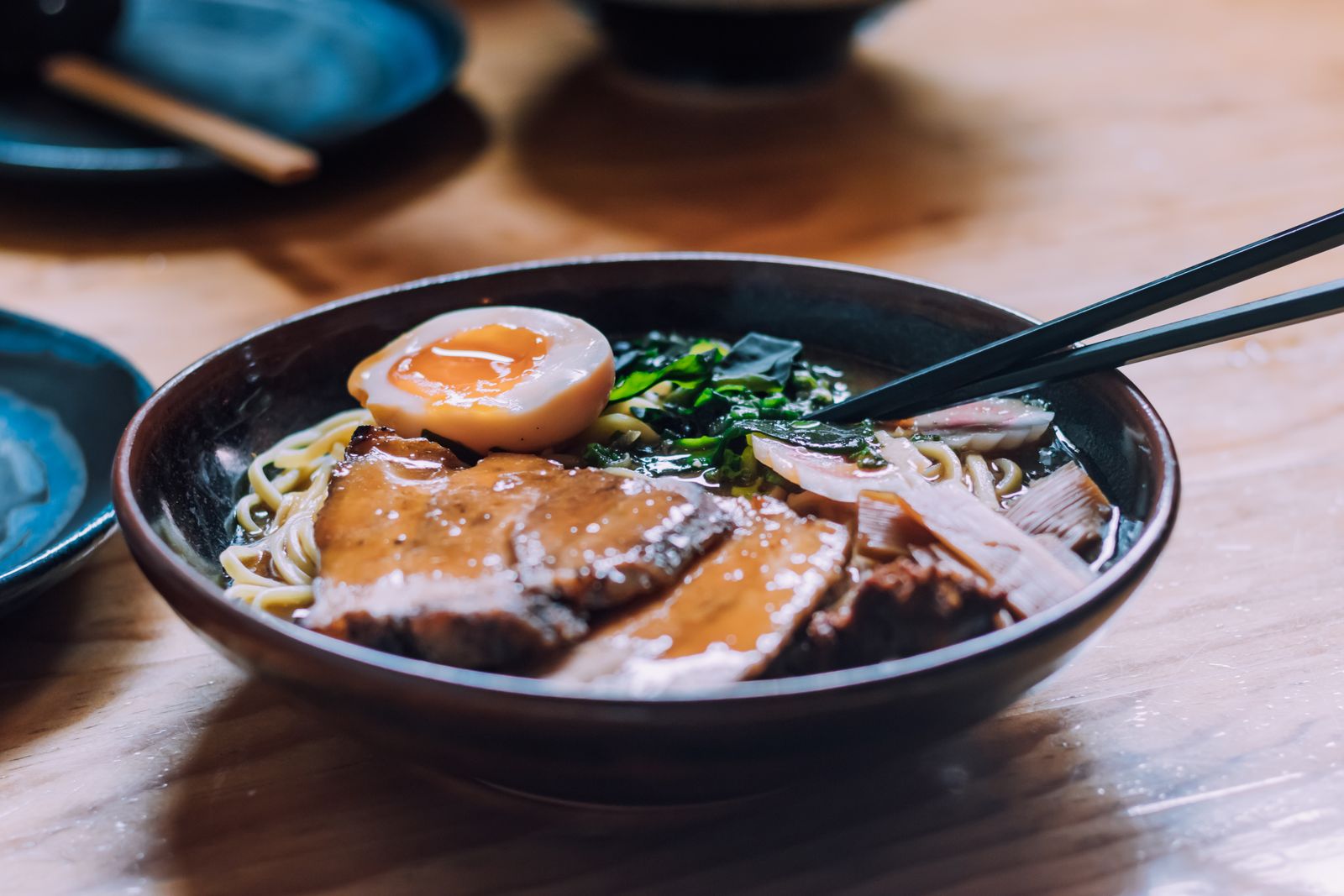
The tonkotsu never stops moving. Pork bones roll at a hard boil for the better part of a day until the liquid turns the color of milky tea and coats the back of a spoon. Fat renders, collagen surrenders, and what started as water and bones becomes something with actual gravity. The kitchen tastes every pot before service — if it does not coat the spoon, it does not go out. Black garlic oil is made in small batches and spooned over the surface at the last second, so the first thing you smell is toasted and dark and a little dangerous. This is the chapter everything else hangs on. A ramen house lives or dies by its broth, and ours has never once been rushed. When a pot runs dry mid-service, the tonkotsu comes off the board. Regulars know this. They plan around it.
18-hour boilChashu, torchedAjitama, 6:30Noodle pullFirst steam
Chapter 02 — Noodles
PULLED to order, NEVER HELD
Noodles are portioned per bowl and cooked for exactly the time that bowl needs — firm for tonkotsu, silkier for shoyu. They go from boiling water to broth in seconds, because every second of standing time is texture leaking away. The kitchen portions by hand, not by scale, the way you learn after ten thousand bowls. Thick noodles for the heavy broths so they can stand up to the fat; thinner, wavier strands for the miso so the tare clings to every curve. Tsukemen gets the thickest cut of all, served cold against a dipping broth concentrated enough to season on contact. Ask for kaedama — a second helping of noodles dropped into your leftover broth — and the line will respect you for it. That refill is the oldest compliment in ramen, and it is always on the menu.
Thick cutWavy, for misoTsukemen, coldKaedama readyAl dente, always
Chapter 03 — Fire
THE ROOM after midnight
Ultra House is dark on purpose. Black walls, a long counter, amber light low enough that the steam catches it. The ticket rail fills, the broth pots hiss, and the neon out front buzzes against the wet Seattle pavement. This is a room built for the late shift — the cooks getting off work, the first dates that started somewhere quieter, the friends who looked at each other at 11pm and said one more stop. The menu stays short on purpose: six bowls and two sides, every one of them the kitchen's full attention. Pork belly braises for half the day. Eggs cure overnight in shoyu. Chili oil is made in small batches because the good stuff goes stale fast. Nothing here is trying to be everything. It is trying to be the bowl you think about on the drive home.
Counter, 11:48pmHouse chili oilGyoza, for the tableLast call bowl
The short version
SHORT MENU.
SHORT MENU.
LONG BROTH. Open late.
Six bowls, two sides, one eighteen-hour pot. Ultra House is a late-night ramen house in Seattle built around a simple trade: the kitchen does fewer things, and does each of them like it matters. Walk-ins only. The noodles are packed separate for takeout. When the pot runs dry, that bowl is done for the night — come early, stay late.